High Protein Orange Glazed Pork Tenderloin – Bright, Juicy, and Weeknight-Friendly
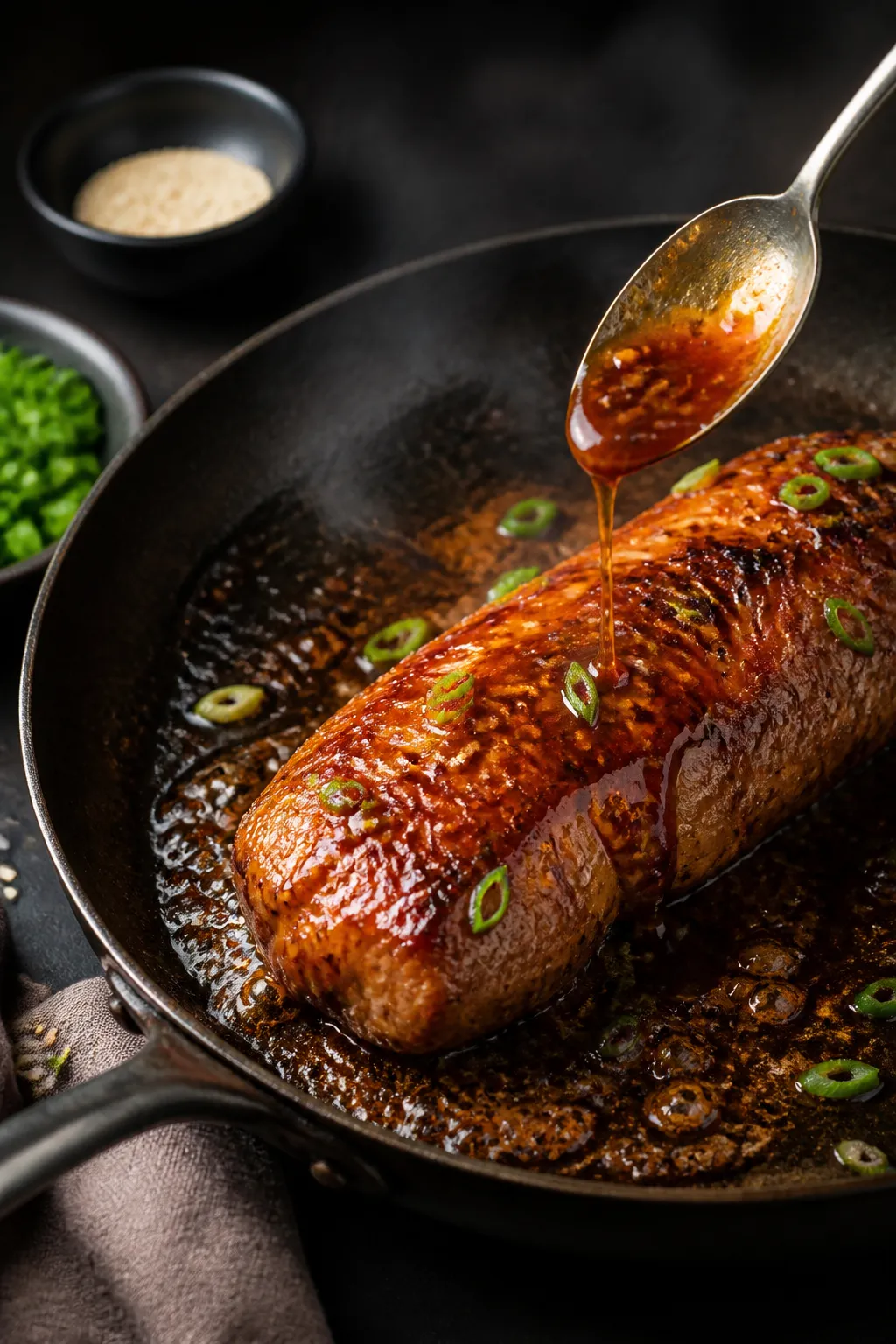
This is the kind of dinner that feels special without asking much of you. Pork tenderloin cooks fast, stays tender, and soaks up flavor like a sponge. Add a zesty orange glaze and you’ve got a sweet-savory main that tastes restaurant-level.
Your Next 7 Dinners Are Already Planned
Get seven straightforward dinner recipes, one combined grocery list, and practical prep tips—all in one free guide.
It’s high in protein, easy to prep, and pairs well with simple sides you already have. If you’ve been looking for a fresh twist on a lean cut, this one delivers.

High Protein Orange Glazed Pork Tenderloin - Bright, Juicy, and Weeknight-Friendly
Ingredients
Method
- Preheat and prep: Heat the oven to 400°F (200°C). Pat the pork dry with paper towels. Season all over with salt and pepper.
- Make the glaze base: In a small bowl or measuring cup, whisk orange juice, zest, soy sauce, honey, vinegar, garlic, ginger, and red pepper flakes if using. Set aside.
- Sear the tenderloin: Heat a large oven-safe skillet over medium-high. Add oil. When shimmering, sear pork 1–2 minutes per side until nicely browned, about 6–8 minutes total.
- Start the glaze: Lower heat to medium. Pour the orange mixture into the skillet. Spoon some over the pork and let it bubble for 1–2 minutes to start reducing.
- Roast to finish: Transfer the skillet to the oven. Roast 12–16 minutes, flipping once halfway through and basting with glaze. Cook until the thickest part reaches 145°F (63°C).
- Rest the pork: Move the tenderloin to a cutting board. Tent loosely with foil and rest 5–10 minutes. This helps the juices redistribute and keeps the meat tender.
- Thicken the glaze (optional): Return the skillet to the stovetop over medium heat. If you want a thicker sauce, stir in the cornstarch slurry and simmer 1–2 minutes until glossy.
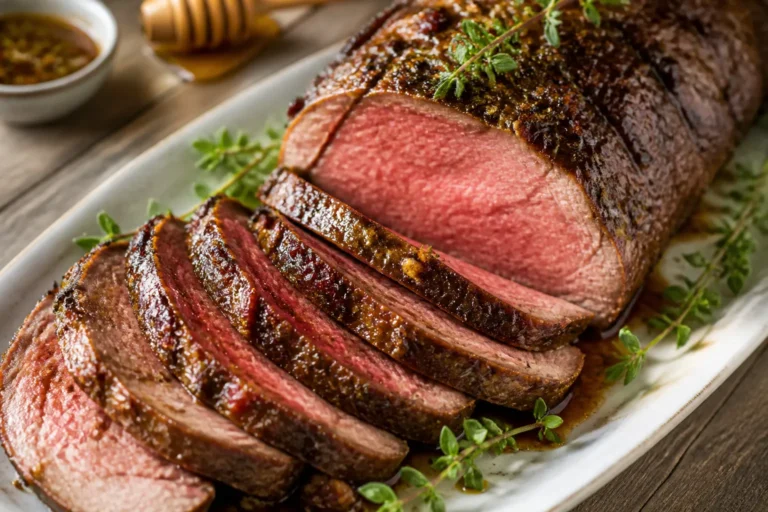
- Slice and serve: Slice pork into 1/2-inch medallions. Spoon warm orange glaze over the top. Garnish with green onions and sesame seeds if you like.
What Makes This Recipe So Good

- Bright citrus flavor: Fresh orange juice and zest bring a clean, sunny taste that cuts through rich meat.
- High protein, lean cut: Pork tenderloin is naturally lean and packed with protein, which keeps this meal satisfying without feeling heavy.
- Quick cook time: From sear to glaze, it’s weeknight-ready, usually on the table in about 35–40 minutes.
- Balanced glaze: Soy sauce, garlic, ginger, and a touch of honey create a glossy, sticky finish with just the right umami.
- Versatile serving options: Works with rice, quinoa, roasted veggies, or a crisp salad. The glaze doubles as a sauce for sides.
What You’ll Need
- Pork tenderloin: 1.25 to 1.5 pounds, silver skin trimmed.
- Salt and black pepper: To season the meat generously.
- Olive oil or avocado oil: For searing.
- Fresh orange juice: 3/4 cup, from about 2 large oranges.
- Orange zest: 1–2 teaspoons for extra citrus punch.
- Low-sodium soy sauce or tamari: 2 tablespoons for umami and balance.
- Honey or maple syrup: 1–2 tablespoons to lightly sweeten and thicken.
- Rice vinegar or apple cider vinegar: 1 tablespoon for brightness.
- Garlic: 3 cloves, minced.
- Fresh ginger: 1 tablespoon, grated (or 1 teaspoon ground ginger).
- Cornstarch: 1 teaspoon mixed with 1 teaspoon water, optional for thicker glaze.
- Red pepper flakes: Pinch for gentle heat (optional).
- Green onions and sesame seeds: For garnish (optional).
Instructions
- Preheat and prep: Heat the oven to 400°F (200°C).
Pat the pork dry with paper towels. Season all over with salt and pepper.
- Make the glaze base: In a small bowl or measuring cup, whisk orange juice, zest, soy sauce, honey, vinegar, garlic, ginger, and red pepper flakes if using. Set aside.
- Sear the tenderloin: Heat a large oven-safe skillet over medium-high.
Add oil. When shimmering, sear pork 1–2 minutes per side until nicely browned, about 6–8 minutes total.
- Start the glaze: Lower heat to medium. Pour the orange mixture into the skillet.
Spoon some over the pork and let it bubble for 1–2 minutes to start reducing.
- Roast to finish: Transfer the skillet to the oven. Roast 12–16 minutes, flipping once halfway through and basting with glaze. Cook until the thickest part reaches 145°F (63°C).
- Rest the pork: Move the tenderloin to a cutting board.
Tent loosely with foil and rest 5–10 minutes. This helps the juices redistribute and keeps the meat tender.
- Thicken the glaze (optional): Return the skillet to the stovetop over medium heat. If you want a thicker sauce, stir in the cornstarch slurry and simmer 1–2 minutes until glossy.
- Slice and serve: Slice pork into 1/2-inch medallions.
Spoon warm orange glaze over the top. Garnish with green onions and sesame seeds if you like.
Keeping It Fresh
- Storage: Refrigerate leftover pork and glaze in an airtight container for up to 3–4 days. Keep sauce separate if possible to maintain texture.
- Reheating: Warm gently in a covered skillet over low heat with a splash of water or extra orange juice.
Avoid high heat to keep it tender.
- Freezing: Slice, then freeze portions with some glaze in freezer bags for up to 2 months. Thaw overnight in the fridge, then reheat gently.
- Meal prep tip: Make a double batch of glaze and use it later in the week on chicken, tofu, or roasted vegetables.

Benefits of This Recipe
- High in protein: Pork tenderloin delivers a solid protein boost that supports muscle recovery and helps keep you full longer.
- Leaner choice: Compared to fattier cuts, tenderloin keeps calories and saturated fat in check while still feeling indulgent thanks to the glaze.
- Simple ingredients: Mostly pantry staples and fresh citrus. Nothing fancy, just clean flavors that pop.
- Balanced nutrition: Pair with high-fiber sides like brown rice or broccoli to round out the meal.
- Family-friendly: The sweetness of the orange glaze wins over picky eaters, while the ginger-garlic notes please grown-up palates.
Pitfalls to Watch Out For
- Overcooking: Pork dries out quickly past 145°F.
Use a meat thermometer and pull it on time.
- Skipping the rest: Cutting too soon lets the juices run out. Resting locks in moisture.
- Too much sweetness: If your oranges are very sweet, reduce the honey slightly to keep the glaze balanced.
- Thin sauce: If the glaze seems watery, simmer a bit longer or use the cornstarch slurry.
- Uneven sear: Pat the pork dry and get the pan hot. Moisture or a cool pan will prevent that golden crust.
Alternatives
- Citrus swaps: Mix in lemon or grapefruit juice for a sharper edge.
Add lime for a tropical finish.
- Sugar-free: Use a zero-calorie sweetener that’s heat-stable, and taste as you go. Start with half the amount.
- Gluten-free: Choose tamari or coconut aminos in place of soy sauce.
- Spice it up: Add sriracha, gochujang, or extra red pepper flakes for heat.
- Different protein: Chicken breast or thighs, turkey tenderloin, or firm tofu all work well with the same glaze and technique. Adjust cook times accordingly.
- Grill option: Sear the pork on a hot grill and reduce the glaze in a saucepan.
Brush during the last few minutes to avoid burning.
FAQ
How do I know when the pork is done?
Use an instant-read thermometer and look for 145°F (63°C) in the thickest part. The center can be slightly pink—that’s normal and safe after resting.
Can I use bottled orange juice?
Take the Guesswork Out of Dinner This Week
The free 7-Day Easy Dinner Reset gives you seven satisfying recipes, a ready-to-use grocery list, and simple prep guidance to make your week easier.
Yes, but choose 100% juice with no added sugar. Fresh juice gives brighter flavor and a cleaner finish, which makes the glaze shine.
What sides go best with this?
Steamed rice, quinoa, or couscous soak up the glaze nicely.
Roasted broccoli, green beans, or a crisp cabbage slaw add texture and balance.
Is pork tenderloin the same as pork loin?
No. Tenderloin is a smaller, leaner, and more tender cut that cooks much faster. Pork loin is larger and needs longer, lower cooking to stay juicy.
Can I make the glaze ahead?
Absolutely.
Mix it up to 3 days in advance and keep it chilled. Whisk before using and adjust sweetness or acidity to taste.
What if I don’t have an oven-safe skillet?
Sear the pork in a regular pan, then transfer it and the glaze to a baking dish for the oven step. Baste once halfway through roasting.
How do I keep the glaze from burning?
Don’t crank the heat too high after adding the glaze.
Let it simmer, not boil hard, and baste the pork. In the oven, middle rack positioning helps.
Can I double the sauce for extra?
Yes. Just extend the stovetop simmer so it thickens properly.
Taste and adjust salt or sweetness so it doesn’t turn cloying.
How much protein is in a serving?
A 4-ounce cooked portion of pork tenderloin generally offers about 24–26 grams of protein. Exact numbers vary by cut and brand.
Can I cook this entirely on the stovetop?
You can. After searing, lower the heat, cover, and gently simmer with the glaze until it hits 145°F, flipping and basting.
Watch closely to prevent scorching.
In Conclusion
High Protein Orange Glazed Pork Tenderloin is bright, tender, and weeknight simple. The citrus-forward glaze brings sweet, savory, and tangy flavors together in a balanced way. With lean protein, quick steps, and easy swaps, it’s a reliable go-to you can dress up or down.
Keep a couple of tenderloins in the freezer, a few oranges on the counter, and you’re always close to a vibrant, satisfying meal.
Before You Plan Another Dinner…
Grab the free guide that gives you seven easy dinners, one combined grocery list, and useful prep tips for a smoother week.