High Protein Garlic Herb Beef Tenderloin – Simple, Flavorful, and Satisfying
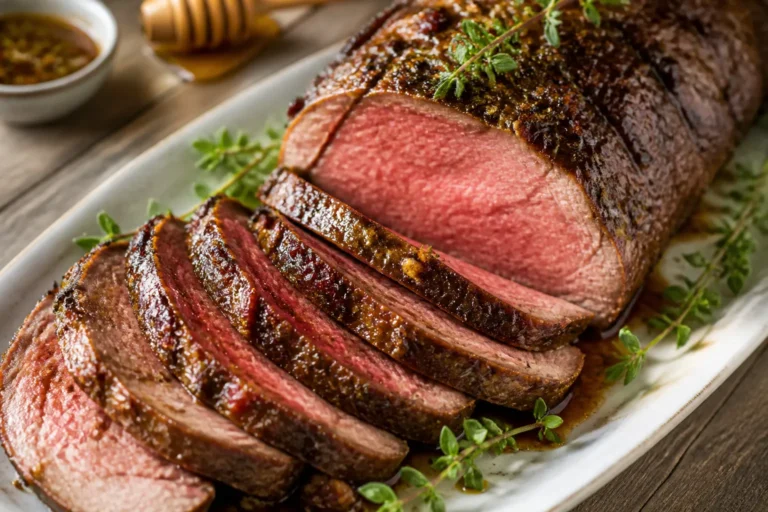
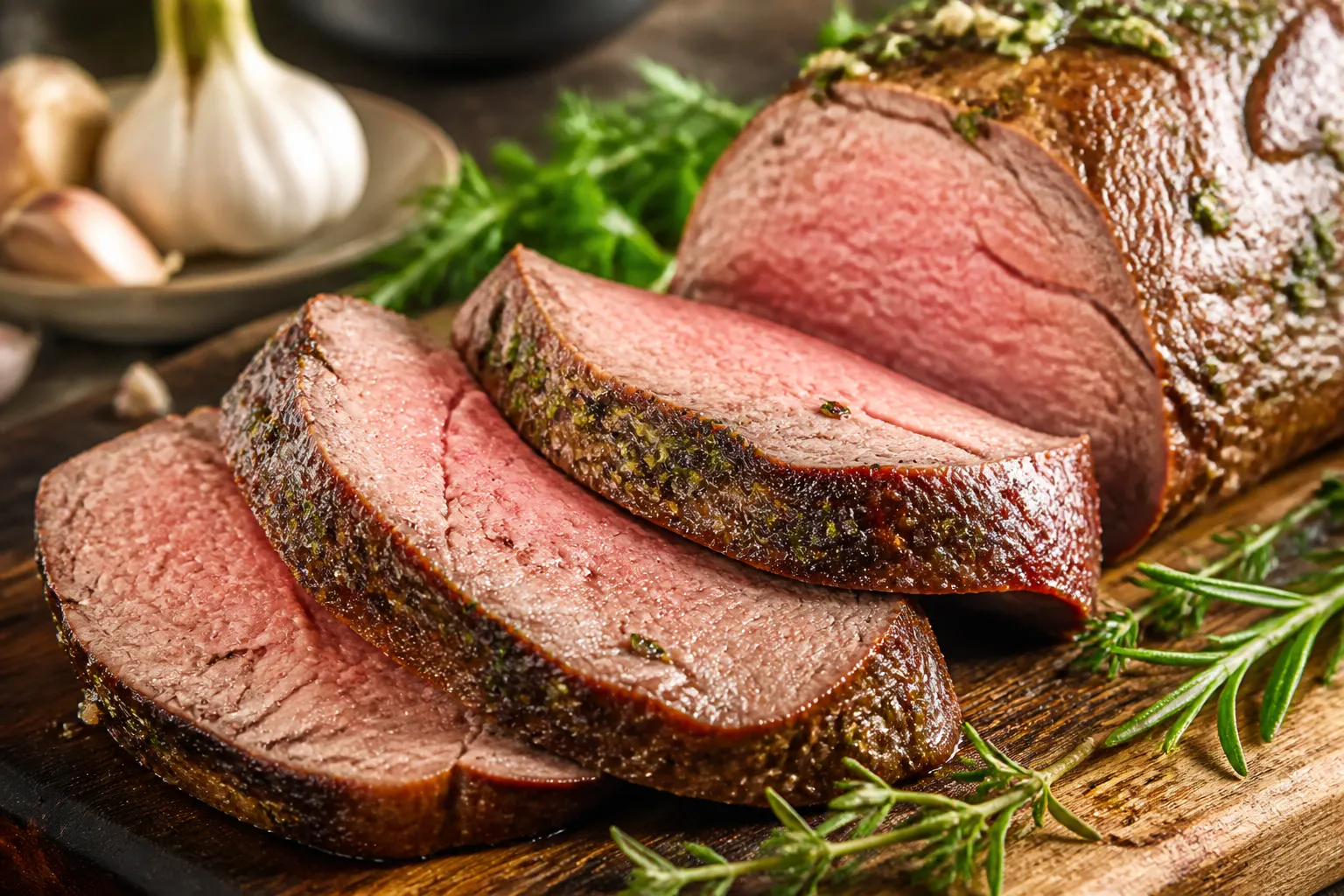
This is a dinner that feels special without being fussy. A perfectly roasted beef tenderloin, brushed with a garlicky herb paste, gives you rich flavor and a hefty dose of protein in every slice. It’s tender enough for a celebration and easy enough for a weeknight if you plan ahead.
Your Next 7 Dinners Are Already Planned
Get seven straightforward dinner recipes, one combined grocery list, and practical prep tips—all in one free guide.
The ingredients are simple, the steps are clear, and the payoff is big. If you’re looking for a centerpiece that tastes like a steakhouse classic but uses everyday pantry staples, this is it.
High Protein Garlic Herb Beef Tenderloin - Simple, Flavorful, and Satisfying
Ingredients
Method
- Trim and tie the tenderloin. If your butcher hasn’t done it, remove silverskin with a sharp knife. Tuck the thin tail end under to create an even thickness and tie with kitchen twine in 1.5-inch intervals. This helps the roast cook evenly.
- Pat dry thoroughly. Use paper towels to remove surface moisture. A dry surface gives you a better sear and a crisp herb crust.
- Mix the garlic-herb paste. In a small bowl, combine garlic, rosemary, thyme, oregano (if using), salt, pepper, Dijon, and 2 tablespoons olive oil. Stir into a spreadable paste.
- Season the meat. Rub the paste all over the tenderloin, pressing it into the surface. Let it sit at room temperature for 30–45 minutes. This takes the chill off and promotes even cooking.
- Preheat and prep. Set your oven to 425°F (220°C). Place a rack inside a rimmed baking sheet or set a heavy oven-safe skillet on the stovetop.
- Sear for flavor. Heat 1 tablespoon olive oil in the skillet over medium-high. When shimmering, sear the tenderloin 1–2 minutes per side until browned on all sides. Add butter at the end for a quick baste if you like.
- Roast to temperature. Transfer the tenderloin to the oven (in the skillet or on the rack). Roast until the internal temperature hits your target: 120–125°F for rare, 130°F for medium-rare, or 135–140°F for medium. This usually takes 15–25 minutes depending on size and starting temp.
- Rest before slicing. Move the roast to a cutting board and tent loosely with foil. Rest 10–15 minutes. The temperature will rise about 5°F, and juices will redistribute.
- Slice and serve. Remove twine. Slice into 1/2- to 3/4-inch medallions. Taste and finish with a pinch of salt, cracked pepper, and a drizzle of good olive oil if desired.
Why This Recipe Works
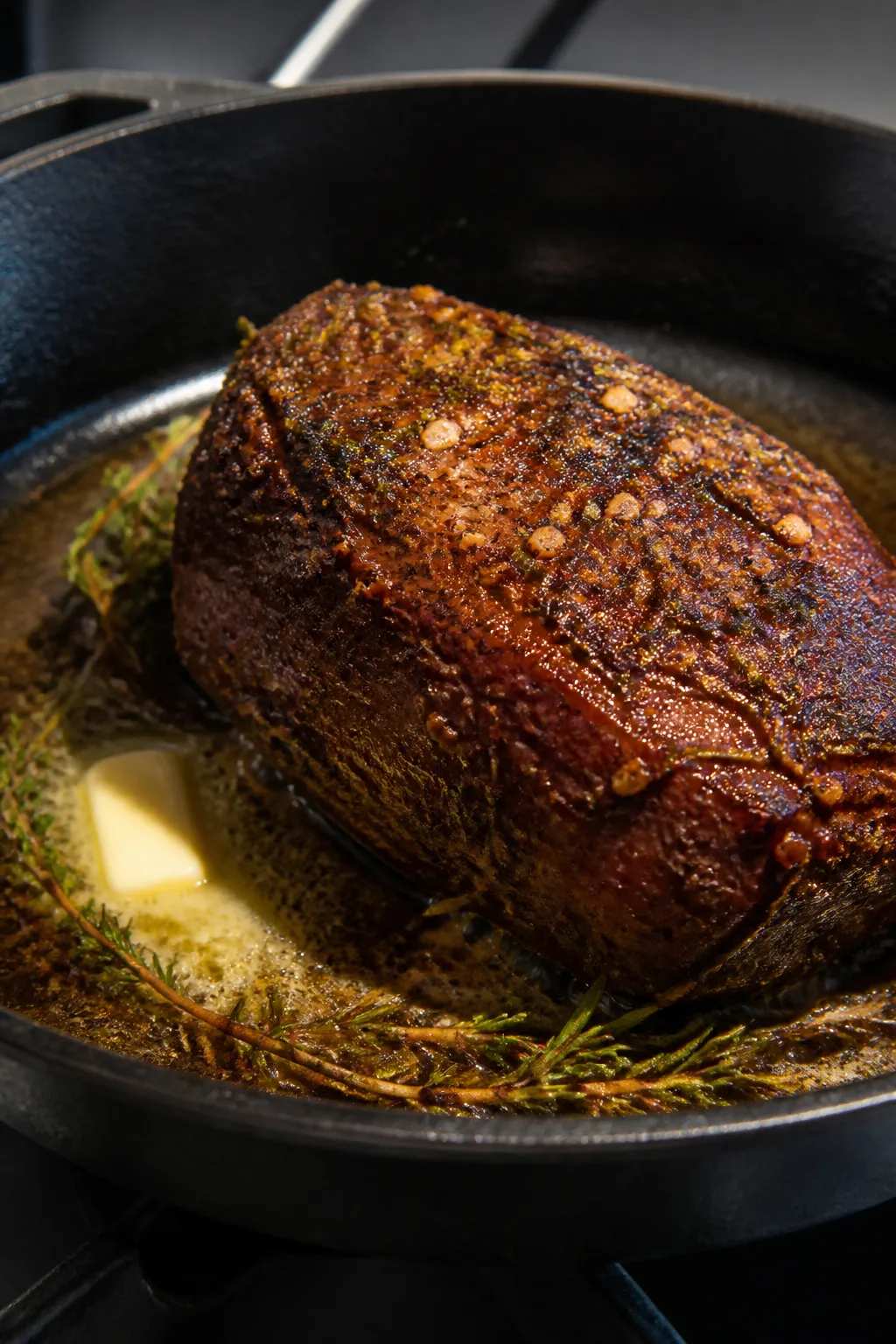
This tenderloin shines because it keeps things focused: high heat, simple seasoning, and a short ingredient list. The garlic and fresh herbs build a savory crust that locks in juices and adds fragrant depth.
A brief sear sets the exterior, while a controlled oven finish brings the middle to your perfect doneness. Resting the roast at the end allows juices to redistribute so every slice is moist and buttery.
It’s also dependable. With a thermometer and a few cues, you’ll avoid overcooking.
Plus, tenderloin is naturally lean and high in protein, so you get a luxurious meal that still supports your nutrition goals.
What You’ll Need
- 1 whole beef tenderloin (2.5 to 3.5 pounds), trimmed and tied
- 6 cloves garlic, finely minced or grated
- 2 tablespoons fresh rosemary, finely chopped
- 2 tablespoons fresh thyme, finely chopped
- 1 teaspoon dried oregano (optional for extra earthiness)
- 2 teaspoons kosher salt (plus more to taste)
- 1 teaspoon freshly ground black pepper
- 2–3 tablespoons olive oil
- 1 tablespoon Dijon mustard (helps the herb crust adhere)
- 1 tablespoon unsalted butter (optional, for basting)
- Kitchen twine (if not pre-tied)
- Instant-read thermometer
Step-by-Step Instructions
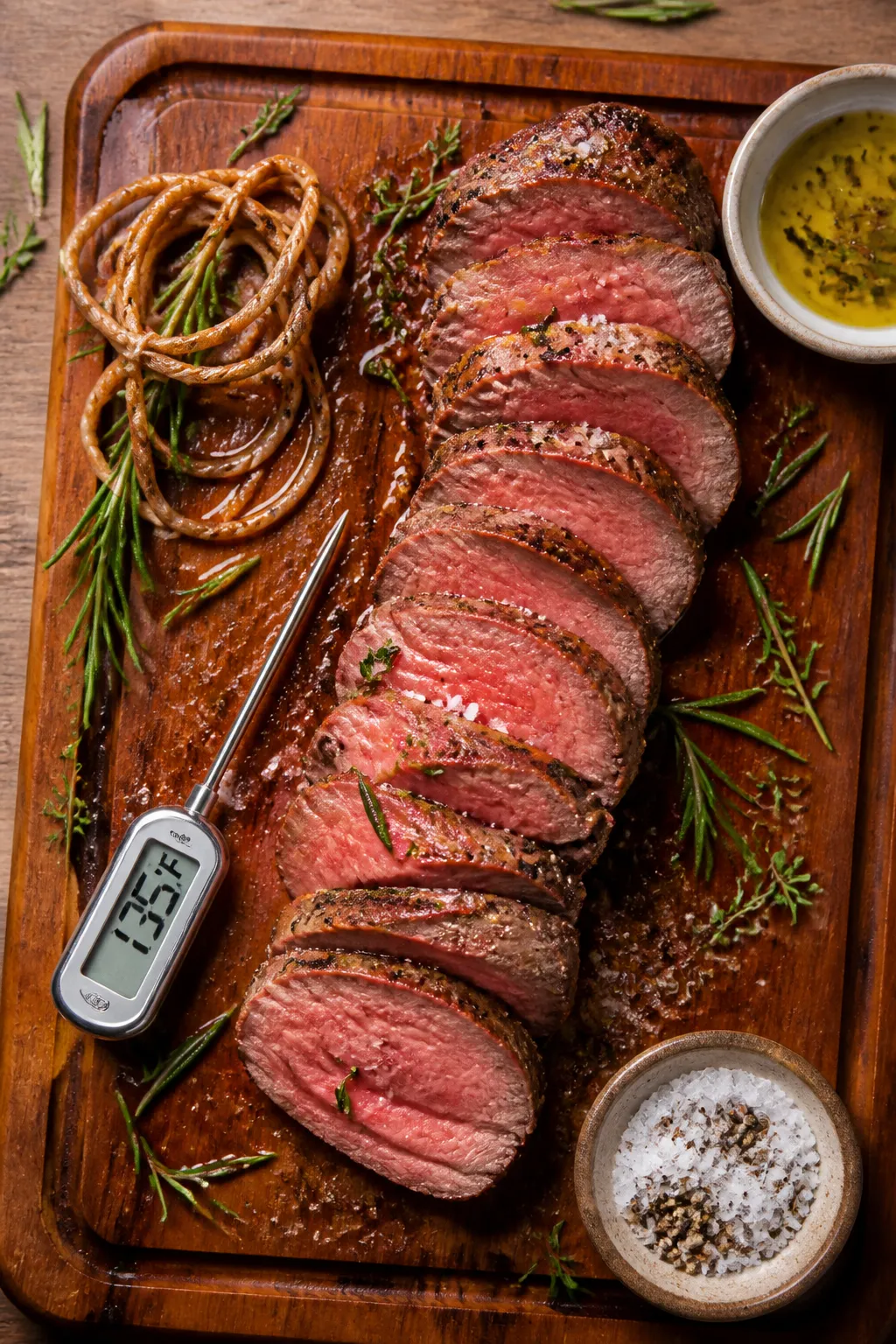
- Trim and tie the tenderloin. If your butcher hasn’t done it, remove silverskin with a sharp knife. Tuck the thin tail end under to create an even thickness and tie with kitchen twine in 1.5-inch intervals. This helps the roast cook evenly.
- Pat dry thoroughly. Use paper towels to remove surface moisture.
A dry surface gives you a better sear and a crisp herb crust.
- Mix the garlic-herb paste. In a small bowl, combine garlic, rosemary, thyme, oregano (if using), salt, pepper, Dijon, and 2 tablespoons olive oil. Stir into a spreadable paste.
- Season the meat. Rub the paste all over the tenderloin, pressing it into the surface. Let it sit at room temperature for 30–45 minutes.
This takes the chill off and promotes even cooking.
- Preheat and prep. Set your oven to 425°F (220°C). Place a rack inside a rimmed baking sheet or set a heavy oven-safe skillet on the stovetop.
- Sear for flavor. Heat 1 tablespoon olive oil in the skillet over medium-high. When shimmering, sear the tenderloin 1–2 minutes per side until browned on all sides.
Add butter at the end for a quick baste if you like.
- Roast to temperature. Transfer the tenderloin to the oven (in the skillet or on the rack). Roast until the internal temperature hits your target: 120–125°F for rare, 130°F for medium-rare, or 135–140°F for medium. This usually takes 15–25 minutes depending on size and starting temp.
- Rest before slicing. Move the roast to a cutting board and tent loosely with foil.
Rest 10–15 minutes. The temperature will rise about 5°F, and juices will redistribute.
- Slice and serve. Remove twine. Slice into 1/2- to 3/4-inch medallions.
Taste and finish with a pinch of salt, cracked pepper, and a drizzle of good olive oil if desired.
Keeping It Fresh
Leftovers keep well if you treat them gently. Store sliced tenderloin in an airtight container in the fridge for up to 3–4 days. Keep slices in a single layer if possible, with any pan juices spooned over the top to prevent drying out.
For reheating, use low, gentle heat. Best method: warm slices in a covered skillet with a splash of beef broth over low heat until just heated through.
Avoid microwaving on high—it can overcook and toughen the meat. You can also serve leftovers cold over salads for a quick high-protein lunch.
Health Benefits
- High-quality protein: Beef tenderloin offers complete protein with essential amino acids to support muscle repair and satiety.
- Lean cut: Compared to ribeye or strip, tenderloin is lower in fat while still tender and flavorful, especially with an herb crust instead of heavy sauces.
- Micronutrients: Rich in iron, zinc, B12, and niacin, which support energy metabolism, immune health, and cognitive function.
- Flavor-forward, simple ingredients: Garlic and herbs bring antioxidants and bold taste without extra calories.
Pitfalls to Watch Out For
- Overcooking: Tenderloin has little fat, so it dries out fast. Use an instant-read thermometer and pull it 5°F below your target.
- Skipping the rest: Cutting too soon lets juices run out.
Always rest 10–15 minutes.
- Uneven thickness: Not tying the roast leads to overcooked ends and undercooked center. Tying helps keep it uniform.
- Wet surface: Moisture blocks browning. Pat dry before searing for a better crust.
- Too much heat too long: A hard sear is great, but keep it brief.
Let the oven finish the job to avoid a burnt exterior.
Alternatives
- Herb swap: Use parsley, chives, or tarragon in place of rosemary and thyme. Lemon zest adds brightness without more salt.
- Spice twist: Add smoked paprika, coriander, or a pinch of cumin for a warmer flavor profile.
- Butter-basted option: For extra richness, baste with a mix of butter, smashed garlic, and thyme during the final minute of searing.
- Pan sauce: Deglaze the skillet with 1/2 cup beef broth and a splash of balsamic or red wine. Reduce, whisk in a teaspoon of Dijon, and finish with a small knob of butter.
- Different cut: If tenderloin is unavailable, try a center-cut sirloin roast or tri-tip.
Cook times will vary, and these cuts benefit from slicing thinner across the grain.
- Grill method: Sear over direct heat 2–3 minutes per side, then move to indirect heat and cover until desired temperature. Rest as usual.
Take the Guesswork Out of Dinner This Week
The free 7-Day Easy Dinner Reset gives you seven satisfying recipes, a ready-to-use grocery list, and simple prep guidance to make your week easier.
FAQ
How do I know when the tenderloin is done without overcooking?
Use an instant-read thermometer and check early. Pull the roast at 125–130°F for medium-rare, then rest.
The carryover heat will bring it up a few degrees. If you don’t have a thermometer, press the center—medium-rare should feel springy with a bit of give, not squishy or firm.
Do I need to marinate the beef?
No. Tenderloin is already tender.
The garlic-herb paste adds plenty of flavor without a long soak. A short rest with the paste at room temperature is enough to season the surface and build a great crust.
Can I make this ahead?
Yes. You can season and tie the tenderloin up to 24 hours in advance.
Keep it covered in the fridge, then bring it to room temperature for about 45 minutes before searing and roasting. Leftovers reheat well with gentle heat.
What sides go well with this?
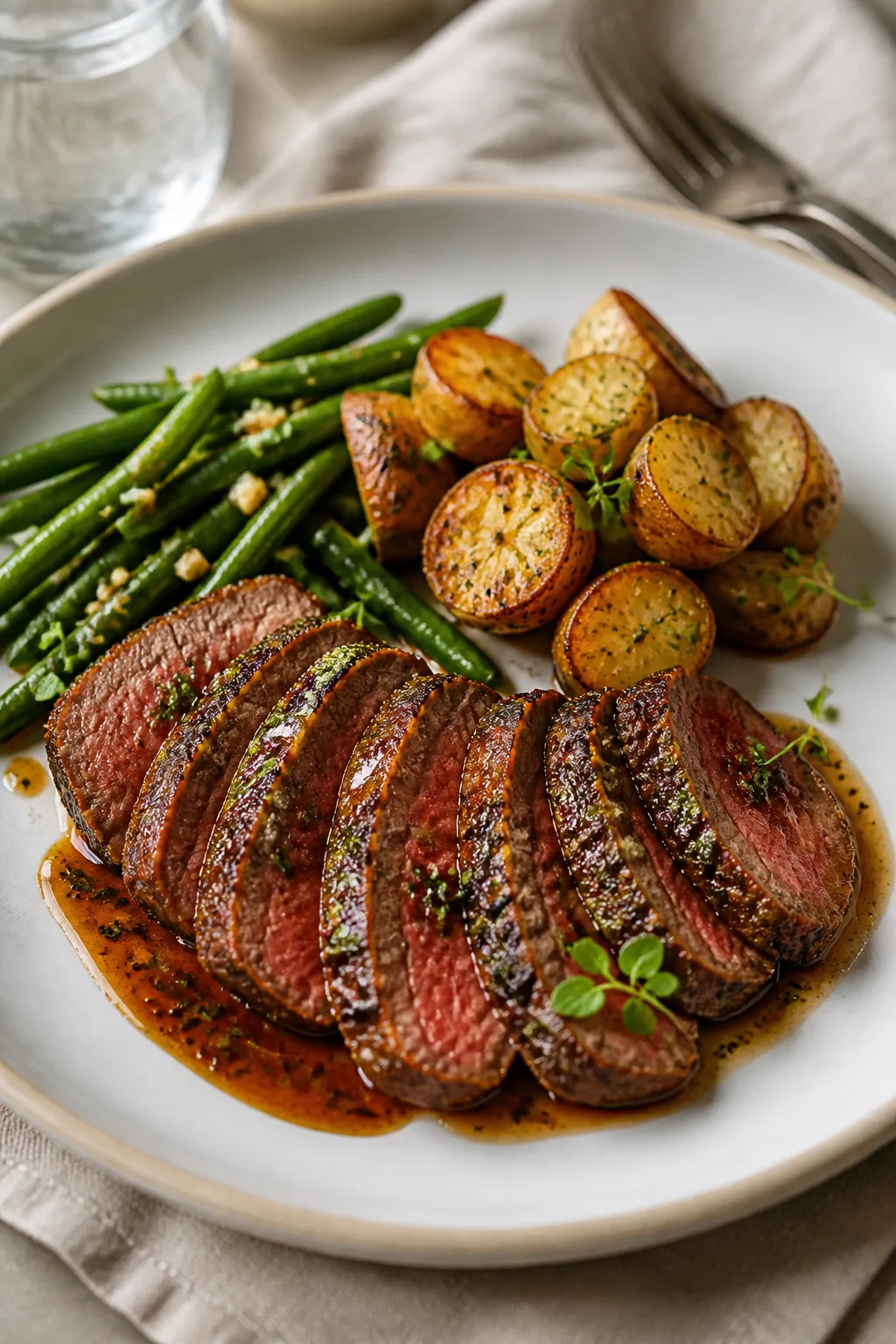
Roasted baby potatoes, garlicky green beans, sautéed mushrooms, or a crisp arugula salad are classic picks. For a lighter option, serve with cauliflower mash or a tomato-cucumber salad with lemon and olive oil.
How much should I buy per person?
Plan on about 6–8 ounces of cooked meat per person.
A 3-pound tenderloin typically serves 6–8, depending on appetites and side dishes.
Can I use dried herbs instead of fresh?
Yes, but reduce the amount. Use about one-third the volume of dried herbs compared to fresh. For example, replace 2 tablespoons fresh rosemary with 2 teaspoons dried.
Is this recipe good for meal prep?
Absolutely.
Slice and store portions with pan juices. Enjoy cold on salads, tuck into wraps with greens and a yogurt sauce, or reheat gently for a quick protein-packed meal.
Wrapping Up
High Protein Garlic Herb Beef Tenderloin gives you steakhouse flavor with a simple, reliable method. The garlic-herb crust, quick sear, and careful roasting deliver a tender, juicy result every time.
Keep an eye on temperature, let it rest, and slice to serve—nothing fancy, just solid cooking that tastes fantastic. Whether it’s a holiday dinner or a high-protein weeknight treat, this one earns a spot in your regular rotation.

High Protein Garlic Herb Beef Tenderloin - Simple, Flavorful, and Satisfying
Ingredients
Instructions
- Trim and tie the tenderloin. If your butcher hasn’t done it, remove silverskin with a sharp knife. Tuck the thin tail end under to create an even thickness and tie with kitchen twine in 1.5-inch intervals. This helps the roast cook evenly.
- Pat dry thoroughly. Use paper towels to remove surface moisture. A dry surface gives you a better sear and a crisp herb crust.
- Mix the garlic-herb paste. In a small bowl, combine garlic, rosemary, thyme, oregano (if using), salt, pepper, Dijon, and 2 tablespoons olive oil. Stir into a spreadable paste.
- Season the meat. Rub the paste all over the tenderloin, pressing it into the surface. Let it sit at room temperature for 30–45 minutes. This takes the chill off and promotes even cooking.
- Preheat and prep. Set your oven to 425°F (220°C). Place a rack inside a rimmed baking sheet or set a heavy oven-safe skillet on the stovetop.
- Sear for flavor. Heat 1 tablespoon olive oil in the skillet over medium-high. When shimmering, sear the tenderloin 1–2 minutes per side until browned on all sides. Add butter at the end for a quick baste if you like.
- Roast to temperature. Transfer the tenderloin to the oven (in the skillet or on the rack). Roast until the internal temperature hits your target: 120–125°F for rare, 130°F for medium-rare, or 135–140°F for medium. This usually takes 15–25 minutes depending on size and starting temp.
- Rest before slicing. Move the roast to a cutting board and tent loosely with foil. Rest 10–15 minutes. The temperature will rise about 5°F, and juices will redistribute.
- Slice and serve. Remove twine. Slice into 1/2- to 3/4-inch medallions. Taste and finish with a pinch of salt, cracked pepper, and a drizzle of good olive oil if desired.
Before You Plan Another Dinner…
Grab the free guide that gives you seven easy dinners, one combined grocery list, and useful prep tips for a smoother week.